


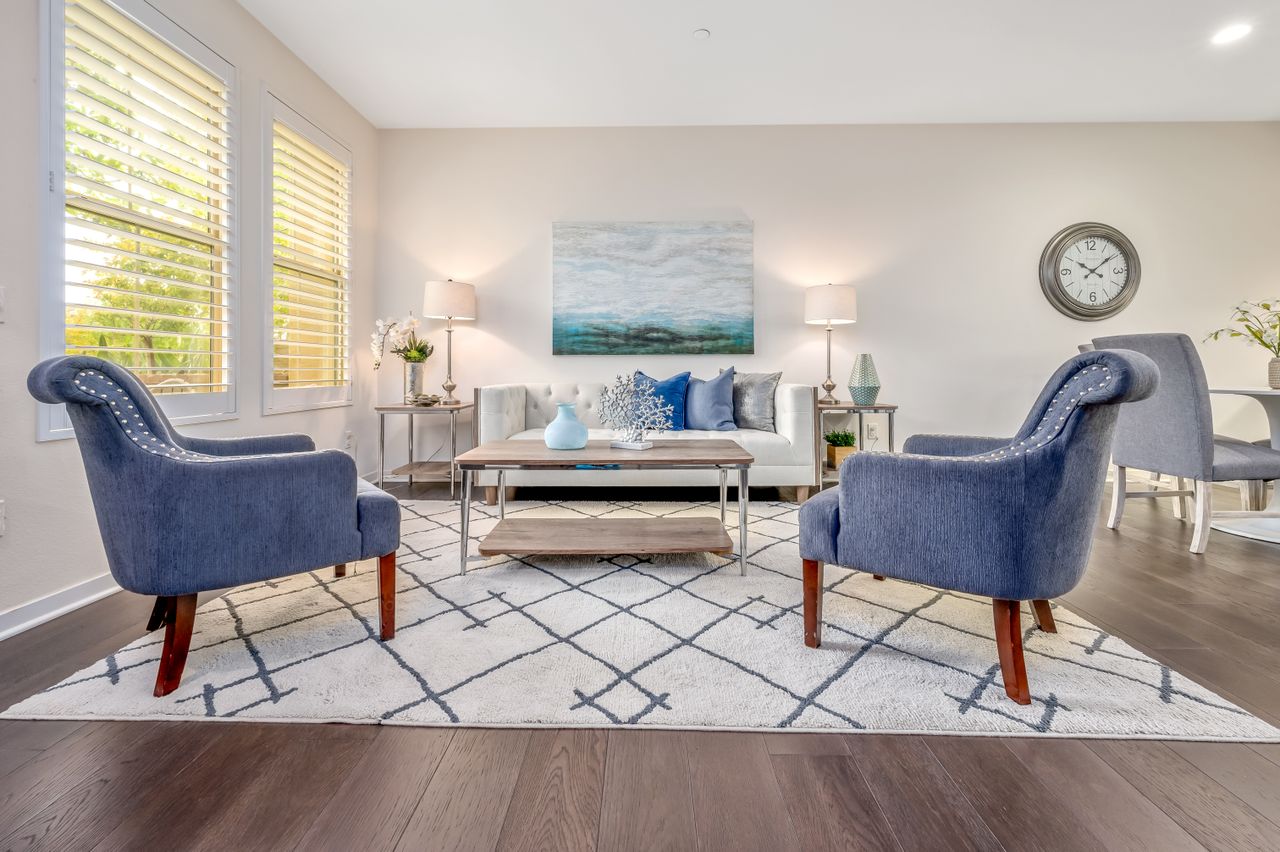
There’s a moment in almost every room makeover when things suddenly click. The sofa’s in place, the art’s on the wall, the lamps are plugged in, and yet the space still feels unfinished, a little echoey and disconnected. Then a rug goes down, and everything seems to settle. The furniture looks like it belongs together. The room feels warmer, quieter and more deliberate.
Rugs are one of the hardest-working pieces in interior design, but they’re often treated as an afterthought, bought last with whatever budget is left over. Choosing well from the start pays off. Good indoor designer rugs can anchor a layout, introduce colour and texture, soften hard floors and set the mood for an entire room in a way few other pieces can.
Why rugs make such a difference
Most modern Australian homes have hard flooring, whether it’s timber, polished concrete, tiles or hybrid boards. These surfaces are practical and easy to clean, but they can make rooms feel cold and noisy. Sound bounces around, footsteps echo and the space can lack a sense of comfort.
A rug changes that almost instantly. It absorbs sound, adds warmth underfoot and gives the eye somewhere to rest. It also defines zones, which is especially valuable in open-plan living, where the lounge, dining and kitchen often flow into one another. Put a rug under the sofa and coffee table and you’ve created a living room within the larger space, without building a single wall.
Rugs also carry a lot of visual weight. A bold pattern can become the focal point of a room, while a soft, textured neutral can tie together furniture in different materials and tones.
Getting the size right
Size is where most rug mistakes happen. A rug that’s too small makes furniture look like it’s floating and can make the whole room feel smaller and more cluttered. As a general rule, it’s better to go larger than you think you need.
In a living room, aim for a rug that’s big enough for at least the front legs of the sofa and armchairs to sit on it. In larger rooms, a rug that holds all the furniture comfortably can look especially polished. Leave a border of exposed floor around the edges, so the rug doesn’t run wall to wall.
In a dining room, the rug should extend well beyond the edges of the table, so chairs stay on it even when they’re pulled out. In a bedroom, a large rug under the bed or a pair of runners on either side gives a soft landing first thing in the morning.
Before buying, it’s worth marking out the dimensions on the floor with painter’s tape. It’s a simple trick that makes it much easier to picture how a rug will sit in the space.
Colour, pattern and texture
A rug can either blend in or stand out, and both approaches work. If your furniture and walls are fairly neutral, a patterned or colourful rug can inject personality and energy. If your room already has strong colours or busy patterns, a calmer rug can balance things out.
Texture is just as important as colour. Flatweaves feel crisp and contemporary, while high-pile and shaggy rugs feel cosy and relaxed. Hand-knotted and hand-tufted pieces often have a depth and richness that’s hard to replicate with machine-made rugs. Layering a smaller textured rug over a larger flatweave is another way to add interest.
Think about the overall mood you want. Earthy tones and natural fibres suit relaxed, coastal or organic interiors. Rich jewel tones suit more dramatic spaces, while soft greys, creams and oatmeal shades work beautifully in minimal, Scandinavian-inspired rooms.
Choosing materials that suit your life
Wool is a popular choice for good reason. It’s naturally soft, durable and resilient, and it tends to resist dirt and stains better than many people expect. Cotton is lighter and easier to wash, though it can wear more quickly. Jute and sisal bring natural texture but can feel rougher underfoot, while synthetic fibres can be practical for high-traffic areas and homes with kids or pets.
Consider where the rug will go and how it’ll be used. A rug in a busy hallway or family room needs to cope with constant foot traffic and the occasional spill, while a rug in a bedroom or formal living room can be softer and more delicate. A good rug underlay helps too, keeping the rug in place, adding cushioning and extending its life.
Letting the rug lead
Some designers like to choose the rug first and build the rest of the room around it. It’s a surprisingly effective approach, because a well-chosen rug often contains a palette of colours that can guide your choice of cushions, throws, artwork and even wall colour.
Whether you start with the rug or finish with it, it deserves more attention than it usually gets. The right one can make a room feel finished, comfortable and completely your own, and it’s one of the simplest ways to change how a space looks and feels without picking up a paintbrush.






Show Comments