


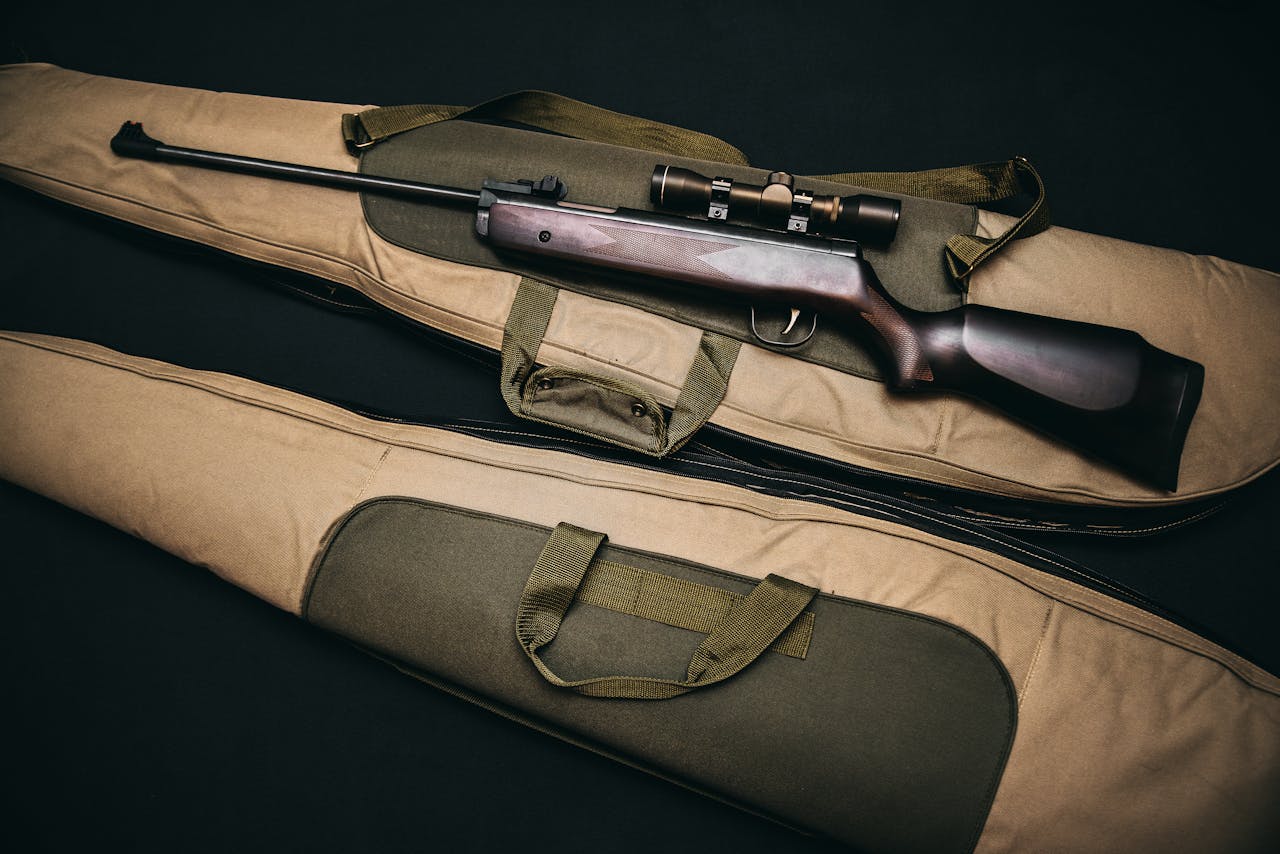
Protecting firearms and valuables at home requires more than heavy steel and a sturdy lock. A safe represents responsibility, foresight, and daily practicality. Families often rely on one not only to secure rifles or pistols but also to shield important records, jewelry, and keepsakes from theft, fire, or water damage. Choosing the right model involves balancing size, features, and placement with the reality of living spaces.
Yet first-time buyers often overlook key details that affect long-term satisfaction. A safe wedged in a hallway, too small for important documents, or vulnerable to damp air quickly loses its value. Understanding overlooked factors before purchase turns an ordinary safe into a dependable fixture that protects both security and peace of mind.
1. Measuring the Space Before Purchase
The first challenge often comes up before a new gun safe is even in place, but careful preparation makes installation far easier. A model that looks ideal on paper may still stall at a doorway, catch on a stair landing, or refuse to clear a hallway corner. Every inch matters when handling rigid steel, and diagonal guesses rarely succeed. Accurate measurement of each turn, handrail, and ceiling fixture prevents delivery from becoming an ordeal.
Planning extends beyond getting it inside. A wide door swing requires clearance, and the floor beneath must support concentrated weight. Allowing a few extra inches preserves access for maintenance, turning installation into a smooth and reliable step toward lasting protection.
2. Factoring in Delivery and Installation
Delivery often proves more challenging than the purchase itself. A safe dropped at the curb can quickly raise labor costs if crews must move it through tight hallways, steep staircases, or sharp corners. Buyers should confirm that placement and anchoring are part of the quoted price and ask about the specialized equipment movers use to handle confined spaces.
Basements, second floors, and reinforced slabs all add complexity that can delay installation. Planning ahead prevents last-minute surprises. A clear 36-inch path through the home, combined with advance questions about insurance, rigging, and anchoring methods, saves both money and hassle while protecting walls and flooring during setup.
3. Thinking Beyond Firearms
Many new owners imagine their safe holding rifles, handguns, and little else, but space fills faster than expected. Legal documents, insurance papers, passports, electronics, and heirloom jewelry all compete for shelf space. Without planning, clutter develops and daily access becomes frustrating. A thoughtful layout keeps both security and convenience intact.
Vertical clearance matters as much as overall capacity. Adjustable shelving creates zones suited for files, delicate optics, or compact electronics. Jewelry rests best in trays or foam inserts, while frequently used items belong at waist height for quick reach. Treating the interior as organized storage—rather than a single compartment—maximizes capacity while protecting fragile or high-value possessions.
4. Planning for Humidity Control
Moisture quietly undermines the safety a vault promises. A faint trace of damp air can rust steel, warp wood stocks, and leave irreplaceable papers spotted with mildew. Avoiding these outcomes begins with thoughtful placement away from leak-prone basements or humid corners. For smaller safes, silica packs absorb moisture, while larger models benefit from low-wattage heating rods that provide consistent, gentle warmth.
Preventive tools work best when paired with regular attention. Seasonal checks reveal early warning signs like surface rust or musty odors, and desiccants must be replaced before they clump. A compact hygrometer placed discreetly inside offers reliable readings, maintaining balance near 45% and extending the safe’s protective purpose.
5. Choosing the Right Lock Type for Use Habits
A midnight reach for a safe in dim light shows how lock choice shapes everyday access. Keypads unlock fast but demand battery checks; weak cells can block entry. Mechanical dials need no power and work dependably, at the cost of slower, manual dialing. Frequent users often pick keypad speed, while occasional handlers prefer the steady, no-battery predictability of a dial.
Some safes mix electronic and mechanical systems or add biometrics and audit logs for tracked access. Confirm battery compartments are easy to reach and that a mechanical key override is included for emergencies. Models with keyed backup, accessible battery bays, and spare user-code slots give the most flexibility for changing habits.
Security depends as much on preparation as on steel and locks. Measurements, delivery plans, interior organization, humidity control, and lock preferences determine if a safe becomes a trusted ally or a constant frustration. Neglecting these factors risks added costs, wasted effort, or compromised valuables. Addressing them with foresight transforms the safe into a fixture that quietly supports both safety and convenience. When the right placement, climate balance, and access features align, the result is more than storage—it is lasting confidence, dependable protection, and peace of mind woven into the rhythm of everyday life.