


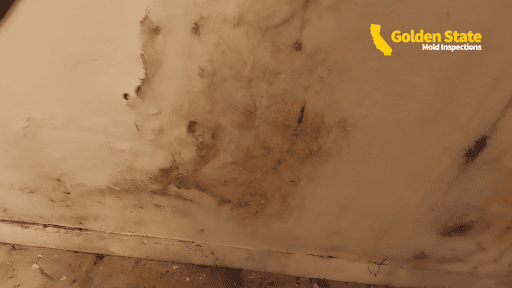
A mold inspections LA visit does not end when the inspector leaves. Samples still need lab analysis before anything is final. Findings get compiled into a written report. Golden State Mold Inspections walks every client through each step, from the lab bench to the final decision on repairs.
Samples Go to an Independent Lab
Air and surface samples collected during a visit go to an independent, third-party lab. The inspector who collected them does not analyze them. This keeps the results free of any incentive to inflate or downplay findings. The lab has no stake in whether more testing or repair work gets recommended afterward.
Lab technicians examine each sample under a microscope. They identify spore types and count spore concentrations. Then they compare those indoor readings against a baseline outdoor sample taken at the same property that same day. That outdoor comparison is what makes a raw spore count useful, since some level of mold spore shows up in nearly every home.
Turnaround Time and Reading the Species Breakdown
Turnaround runs one to three business days for standard testing. Rush processing is often available for real estate deals working against a tight closing date. Homeowners in the middle of escrow often ask for the faster option so the timeline stays on track.
The report breaks spore counts down by species. It does not give a simple yes or no answer on mold presence. Certain species carry more health concern than others commonly drifting in from outdoor air, so the species breakdown matters more than the total count alone.
What a Typical Inspection Report Includes
Once lab data comes back, the team compiles everything into one organized document. A typical inspection report includes photos of affected areas and moisture readings from throughout the property. It also includes a room-by-room summary and the lab’s spore results, shown next to the outdoor comparison numbers.
There is no pass or fail grade. Instead, the report flags specific items for review:
- Rooms or surfaces where spore counts exceeded outdoor baseline levels
- Moisture sources found during the walkthrough, such as a slow plumbing leak or a roof penetration
- Materials that may need full removal versus surfaces that can be cleaned in place
- Whether follow-up air sampling should happen once remediation wraps up
Who Actually Uses the Report
This gives homeowners, contractors, insurance adjusters, and real estate agents a shared, factual starting point instead of vague warnings. Reports are typically delivered as a digital PDF within one business day of lab results coming back. There is rarely a long wait between the visit and having something concrete to act on.
Buyers and lenders in a pending sale often request a copy before agreeing to close. Some insurers also require it before approving a claim tied to a leak, which makes the report useful well beyond the initial homeowner who ordered it.
Deciding Whether Remediation Is Necessary
With the report in hand, the next decision belongs to the property owner. They decide whether remediation is necessary and how extensive it should be. Areas smaller than roughly ten square feet can often be cleaned by a homeowner using standard detergent and water. Larger areas typically call for a professional crew following documented safety protocols.
Golden State Mold Inspections does not perform remediation work itself, so every recommendation carries no financial incentive toward extra repairs. That separation matters, since the same company writing the report never profits from the repair bid that follows.
Vetting a Remediation Contractor
Selecting the right contractor matters just as much as the inspection findings. Records from mold inspections LA clients over the years show that unqualified crews cause most failed clearance checks. Containment barriers get skipped, or affected materials only get partially removed. A proper job also fixes the moisture source named in the report. Cleaning mold without fixing the leak behind it almost always leads to regrowth within weeks or months.
Before hiring anyone, confirm the contractor:
- Holds current mold remediation certification recognized in California
- Provides a written scope of work matching the original inspection report
- Offers a warranty or written guarantee on completed work
- Carries active liability insurance for the specific project
Skipping this vetting step is one of the most common reasons homeowners end up paying for the same job twice. A failed clearance test after unlicensed work usually means tearing out and redoing the same materials. A quote that comes in far below the others is often a warning sign, not a bargain.
Confirming the Job Actually Worked
Once remediation wraps up, a clearance inspection confirms the job actually worked. This involves a fresh visual check plus a follow-up air sample, compared against the same outdoor baseline used in the original test. This step is not optional, even when the treated areas look clean to the eye.
It follows the same chain-of-custody rules too, so the lab has no way to know which sample came first. A clean result gives homeowners, buyers, and tenants documented proof the property meets acceptable indoor air standards before anyone moves back in or closes on a sale.
Why Skipping Clearance Can Come Back Later
Clearance testing has been part of this process across the greater Los Angeles area for well over a decade. It is the step that separates a finished mold inspections LA project from one that only looks finished on paper. A skipped clearance step can also complicate a future sale, since a buyer’s own inspector may re-test the same areas.
If there is no documented follow-up on file, that gap alone can raise a red flag during escrow. Homeowners considering a Los Angeles mold inspection should keep this final checkpoint in mind from the start, since the goal was never just a report. It was always a property that is genuinely safe to occupy again.
Book a Mold Inspections LA Clearance Visit
A finished project means a documented, clean result, not just a quiet phone call saying the work is done. Golden State Mold Inspections handles that final clearance step directly, so the paperwork matches the property.