

When medical systems face unprecedented delays and bottleneck challenges, it is vital to recognize that this pressure is a visible symptom of much larger systemic failures. Over the last five years, a perfect storm has been brewing across the entire healthcare landscape. An aging population, an increasing chronic disease burden, widespread clinical workforce shortages, and declining access to real care have combined to place sustained pressure on medical operations nationwide.
Compounding this crisis is an increasingly fragmented healthcare system, which makes it incredibly difficult to consistently direct individuals to the most appropriate site of care. Because a structured alternative has historically been missing, acute care frameworks are frequently utilized for complex conditions that could be managed safely and effectively elsewhere. This structural bottleneck causes a cascading capacity shortage, leaving even formally admitted individuals waiting indefinitely just for an open bed to become available. Resolving this crisis requires a new framework that creates additional capacity and provides another clinically appropriate destination for individuals who simply do not require a traditional hospital bed.
Redefining the Scope of Mobile Acute Medicine
The array of complex conditions that can realistically be managed outside of an institutional setting is much broader than most people realize. When an acute illness strikes, the natural assumption is that advanced intervention requires immediate transit to a central medical facility. However, modern capabilities allow appropriately selected patients dealing with serious heart failure, chronic obstructive pulmonary disease flare-ups, pneumonia, COVID-19, and influenza to receive exceptional care right where they are. The same standard of safety applies to complicated urinary tract infections, cellulitis requiring intravenous antibiotics, severe dehydration, mild acute kidney injury, metabolic derangements, and deep vein thromboses.
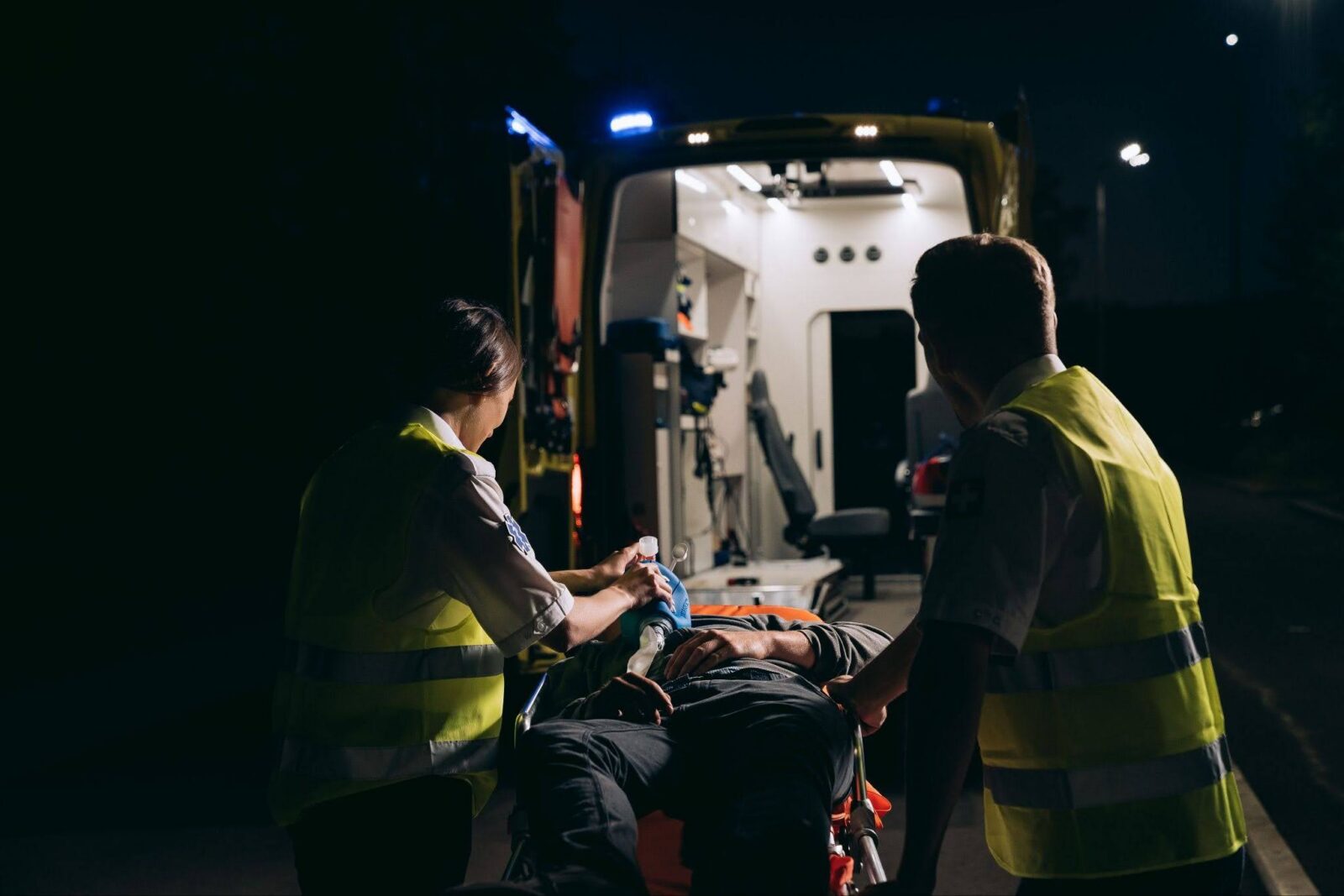
This deep clinical complexity can be managed remotely because advanced healthcare capabilities are now entirely mobile. Specialized teams can deliver urgent laboratory testing, advanced imaging, oxygen therapy, remote monitoring, and complex intravenous medications under direct physician oversight. Lon Hecht, the CEO of Care2U, notes that for a significant portion of patients, the conversation has shifted entirely. The question is no longer whether high-acuity care can safely expand beyond institutional walls, but whether there is any remaining clinical reason for a patient to be in a hospital bed at all. While life-threatening emergencies like heart attacks, strokes, or major trauma will always require immediate, specialized hospital intervention, the vast territory of acute medicine in between is fully ready to be handled at the doorstep.
When Clinical Evidence Meets Human Economics
The transition toward home-based acute intervention is backed by rigorous clinical data showing that outcomes are not only comparable to traditional delivery models, but frequently superior. A landmark study from Johns Hopkins demonstrated a thirty-two percent reduction in total costs, fewer medical complications, lower rates of induced delirium, and a massive drop in patient readmissions from approximately twenty-three percent down to just seven percent. This data has been reinforced by real-world programs nationwide showing fewer complications and significantly higher patient satisfaction. The evidence is so compelling that the Centers for Medicare and Medicaid Services created the Acute Hospital Care at Home program, enabling hundreds of systems to safely deliver inpatient-level care outside of traditional wards. The industry conversation is no longer about whether this approach works, but rather identifying which patients are best positioned to benefit from it.
The economic model behind this shift reveals why traditional healthcare delivery models struggle to compete. Central medical operations are incredible, but they remain the most expensive place in the entire system to receive care. Many individuals enter acute care tracks not because they require the actual institution, but because a viable alternative did not exist. By structuring a system around Care2U that brings the physician, advanced diagnostics, medications, continuous monitoring, and total care coordination directly to the patient, the same clinical outcome is achieved without the massive costs of an inpatient stay.
Achieving this required years of deep investment in clinical protocols, logistics, technology, and extensive payer partnerships. The result is a model that perfectly aligns clinical quality, patient experience, and systemic economics. Ultimately, patients tend to do better when they heal where they feel safe, supported, and human. Families no longer have to trade quality for comfort, they receive both, and at a fraction of the traditional cost.