


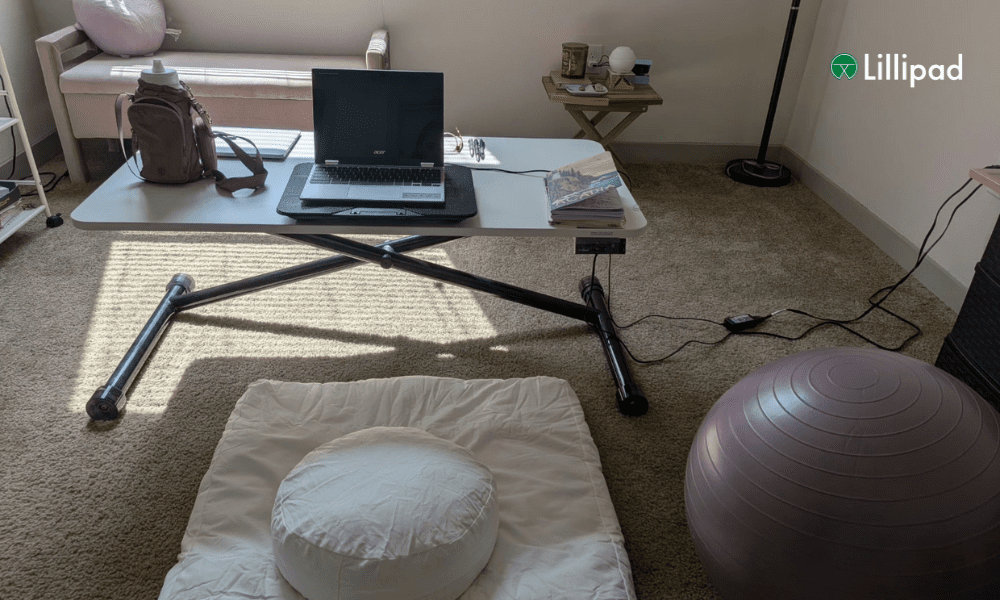
Work from home setups, hybrid schedules, and flexible environments are now part of everyday professional life. As workspaces evolve, choosing the right desk plays a direct role in comfort, posture, productivity, and workflow. One of the most common questions people ask when designing a home office or upgrading an executive suite is what is the difference between a sit stand desk and a fixed desk.
This guide explains the differences in design, ergonomics, adjustability, and long term usability. It also explores how standing desks are built, how fixed desks function, and how each option supports modern work styles without promoting products or trends.
What Is a Fixed Desk?
A fixed desk is a traditional desk with a single, non adjustable height. Once assembled and placed, the desk remains at the same level regardless of who uses it or how long they work. This style of desk has been common in offices, schools, and homes for decades.
Fixed desks are often designed to be permanent furniture pieces. Many feature spacious desktops, drawers, and sturdy frames, but they do not support height changes or posture variation.
Key characteristics of a fixed desk
- One height setting
- Designed for sitting only
- Requires a dedicated home office or workspace
- Often heavier with limited mobility
- Assembly is usually required
- Common in corner desks, executive desks, and traditional style setups
Fixed desks can work well in stable environments where one person uses the same desk every day and posture needs do not change.
What Is a Sit Stand Desk?
A sit stand desk, also known as a height adjustable desk or sit-stand desk, allows users to switch between sitting and standing positions throughout the workday. These desks may use manual adjustment or adjustable electric systems with programmable height settings.
Sit stand desks are designed to support movement, flexibility, and ergonomics. Many electric standing desks allow precise height control, making it easier to align the desktop, keyboard tray, and monitor with proper posture.
Common features of sit stand desks
- Height adjustable standing capability
- Supports sitting and standing work
- Available as electric desks or manual options
- Adjustable desk frames and desktops
- Designed for modern work from home environments
Standing desks are built to accommodate different body types, tasks, and workflows.
Ergonomics and Posture Support
Ergonomics is one of the most important differences between fixed desks and adjustable standing desks.
A fixed desk locks the user into one posture. If the desk height does not match the user’s body, discomfort can build over time. Poor keyboard height, incorrect desktop alignment, and limited adjustability can affect posture and focus.
A sit stand desk improves ergonomics by allowing height changes. Users can adjust the desk to maintain neutral wrist alignment, proper elbow angles, and improved posture whether sitting or standing.
Ergonomic differences at a glance
- Fixed desk supports sitting only
- Sit stand desks support sitting and standing
- Height adjustable standing desks adapt to user height
- Ergonomic standing desk designs reduce static posture
- Adjustable sit stand desks encourage movement
Standing desks are designed to help users avoid staying in one position for too long.
Space, Layout, and Desk Design
Traditional fixed desks assume that work happens in one permanent location. Many are large, heavy, and difficult to move. They often require a dedicated room or office layout.
Sit stand desks come in a wide range of designs. Options include l-shaped standing desks, corner desks, standup desks, and compact adjustable desks that fit into multipurpose spaces.
Some height adjustable standing desks are designed to collapse or move easily, making them practical for small apartments and shared living spaces.
Design considerations
- Fixed desks often dominate a room visually
- Sit stand desks can be compact or spacious
- L-shaped standing desks support multitasking
- Adjustable desks fit flexible layouts
- Desktops and frames vary in size and build quality
Desks designed for modern homes prioritize both function and aesthetics.
Productivity and Workflow
Desk design influences workflow in subtle but important ways.
Fixed desks provide consistency. Everything stays in one place, which may suit routine tasks. However, they do not support posture changes, which can affect energy levels over long periods.
Sit stand desks support dynamic workflows. Switching between sitting and standing can help maintain focus during long coding sessions, meetings, or creative work.
Workflow related differences
- Fixed desk promotes static workflow
- Sit stand desks support movement
- Standing desks bring flexibility to daily tasks
- Adjustable electric desks support precision height changes
- Programmable electric standing desk controls improve efficiency
Many users find that adjustable standing desks support productivity during long workdays.
Setup, Adjustability, and Ease of Use
Fixed desks usually arrive in multiple parts and require assembly. Once built, adjusting the height is not possible without modifications.
Sit stand desks vary in setup complexity. Some electric standing desk models arrive fully assembled, while others require attaching the desktop to an electric frame. Adjustable electric systems allow users to fine tune height settings with precision.
Ease of use comparison
- Fixed desk height cannot be changed
- Sit-stand desks offer adjustability
- Electric standing desks use programmable controls
- Adjustable electric frames allow customization
- Height adjustable desk systems support multiple users
Adjustability is especially useful in shared or evolving workspaces.
Storage, Accessories, and Features
Both desk types can include storage features such as drawers, trays, and cable management systems. However, sit stand desks often integrate these features in ways that move with the desk.
Feature comparison
- Fixed desks may include drawers and keyboard trays
- Sit stand desks integrate cable management that adjusts with height
- Electric desks support monitor arms and risers
- Adjustable standing desks accommodate different desktop sizes
- High quality standing desks focus on long term durability
Build quality and craftsmanship vary widely across both categories.
Adaptability for Remote and Hybrid Work
Remote and hybrid work require flexibility. Fixed desks work best when the workspace never changes.
Sit stand desks are better suited for modern work from home setups where rooms serve multiple purposes. Adjustable desks allow users to set up in different locations and adjust the desk to match each environment.
This adaptability supports consistency without permanence.
Brands such as Lilipad focus on this balance, offering height adjustable standing solutions that fit into real living spaces rather than replacing them.
Aesthetics, Build Quality, and Longevity
Fixed desks often emphasize traditional styling. Sit stand desks range from utilitarian designs to premium finishes suitable for executive standing desk setups.
Long term considerations
- Fixed desks emphasize permanence
- Sit stand desks emphasize adaptability
- Standing desks are built with adjustable frames
- Premium finishes improve aesthetics
- High quality materials support long term durability
Standing desks are perfect for users who want flexibility without sacrificing build quality or style.
Choosing the Right Desk
The difference between a sit stand desk and a fixed desk comes down to how much flexibility, adjustability, and ergonomic support you need.
Fixed desks work well for stable environments with consistent routines. Sit stand desks support modern workflows that require movement, adaptability, and comfort.
As work continues to blend into daily life, desks support more than tasks. They support posture, productivity, and how work fits into the home. Choosing between fixed desks and adjustable standing desks means deciding how flexible you want your workspace to be.