



Losing a significant amount of weight is supposed to be the finish line. For many people it turns out to be a different starting point. The number on the scale reflects the effort, but the reflection in the mirror does not always match what they pictured through months of work. Loose skin is the reason, and it lands harder than most people expect. Understanding why makes the experience less isolating and points toward what can genuinely be done about it.
The Part Effort Cannot Reach
Every other obstacle during weight loss responds to work. Loose skin does not. No amount of training, hydration or specialty cream restores elasticity that the skin has lost, which is why some people eventually discuss a tummy tuck with a surgeon after their weight has been stable for a year. That helplessness is the specific reason this issue affects confidence more sharply than the weight itself ever did.
What Determines How Much Skin Remains
Several factors decide the outcome, and almost none of them are within a person’s control. Age at the time of loss, how long the excess weight was carried, genetics, smoking history and the total amount lost all play a part. Someone who lost forty pounds in their twenties and someone who lost a hundred and twenty in their fifties are simply not in comparable situations.
The pace of the loss matters less than most people assume. Slower loss is often credited with better skin retraction, but the evidence there is thin compared with the influence of age and duration. Blaming yourself for having lost weight too quickly is rarely warranted.
The Practical Problems Nobody Mentions
Beyond appearance, loose skin creates real daily friction. Chafing during exercise, rashes in skin folds during humid weather and difficulty finding clothing that sits properly all come up regularly. These are not cosmetic complaints. For some people they interfere with the very activity that helped them lose the weight in the first place.
Managing Irritation Day to Day
Keeping folds clean and thoroughly dry prevents most skin irritation. Barrier creams, moisture wicking fabrics and compression garments help considerably during workouts. Any area that stays red, raw or develops an odour deserves medical attention rather than another product, since untreated skin infections in folds tend to worsen quickly and are easily managed early.
Why the Emotional Response Is Not Vanity
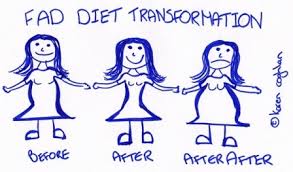
People who reach their goal weight often report feeling ungrateful for being unhappy with the result. That reaction is understandable but not fair to themselves. Working hard for a specific outcome and receiving something different is disappointing under any circumstances. Naming it accurately helps more than dismissing it as a failure of gratitude.
Waiting Before Deciding Anything
Skin continues to retract for months after weight stabilizes, and the amount of improvement varies widely between individuals. Most surgeons ask for at least twelve months at a stable weight before evaluating anything, partly for this reason and partly because further loss afterward would undo the result. That wait is frustrating, but it protects the outcome.
Getting Accurate Information
A consultation gives you a clear picture of what is possible, what the recovery involves and whether you are a candidate at all. It also gives you real numbers instead of the wide range you will find searching online. Whatever you decide afterward, making the decision with accurate information beats spending another two years wondering.




Show Comments