


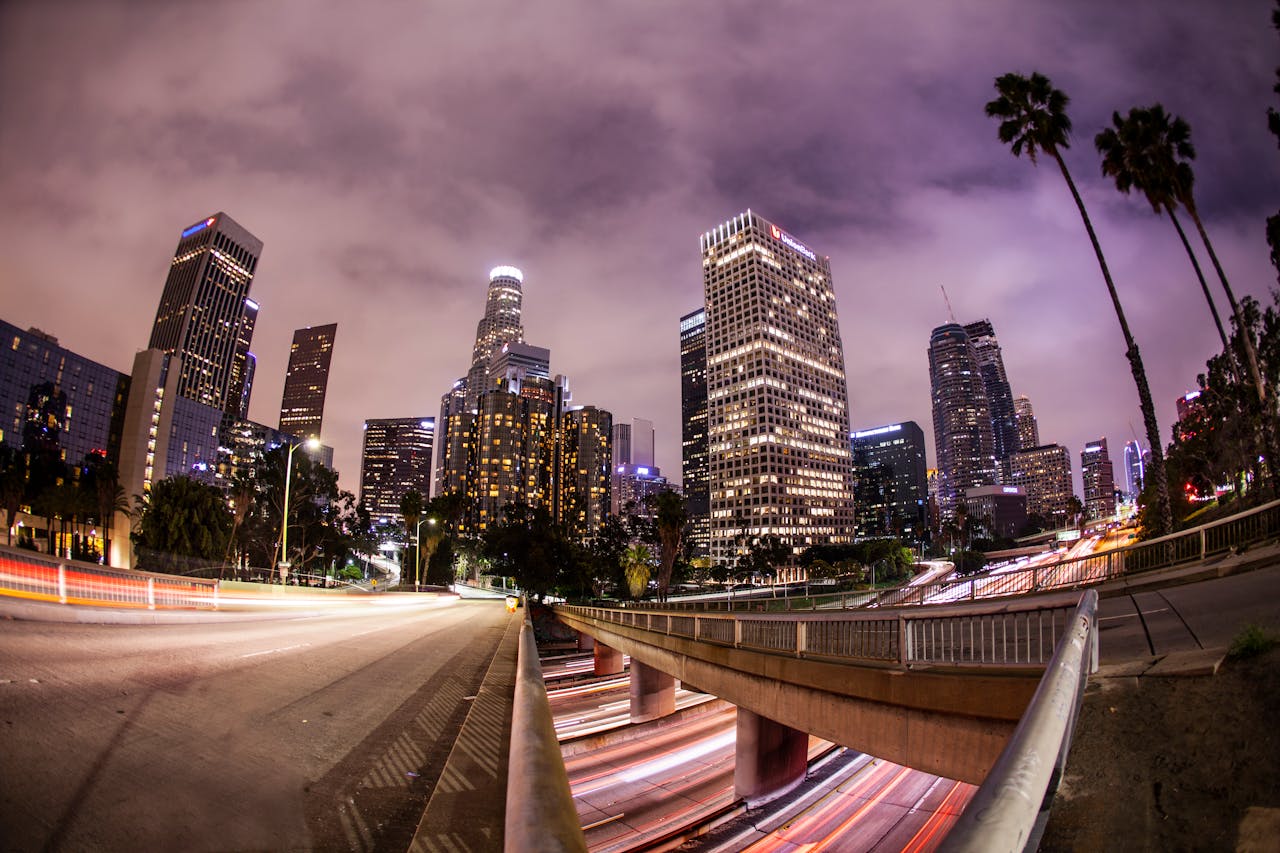
Los Angeles destinations such as L.A. Live, Santa Monica Pier, and major retail centers generate heavy parking demand during events, evening activity, and busy weekends. Drivers approaching nearby garages often encounter entrance queues, uncertain stall availability, and slow exits that push congestion onto surrounding streets. These delays extend beyond visitor frustration. They reduce how efficiently parking facilities convert arriving vehicles into paid occupancy during the most valuable operating periods.
Performance in Los Angeles parking management depends on how facilities handle entry, payment, pricing, and visibility. Entry speed, pricing strategy, and digital visibility influence how peak demand converts into paid occupancy. Garages can attract heavy traffic yet still lose income when queues push drivers elsewhere or flat pricing remains during event surges. Reviewing congestion patterns and entry flow helps operators identify where operational changes can improve capacity and revenue.
Congestion Signals Revenue Loss
Entrance queues outside garages near L.A. Live or the Hollywood Bowl often point to systems where drivers stop for a ticket, read payment instructions, or wait for an attendant. When that stop happens at the gate, lines grow quickly and wait times become difficult to judge from the street. Drivers around the corner may not know if the garage is full or simply slow.
Unclear waits change driver behavior and directly affect revenue. Some drivers leave to search for street parking or another lot once the line stops moving, even though spaces may still be open inside. Demand stays high while stalls remain empty because the entry process cannot convert arrivals into parked cars. Watching how often vehicles abandon the queue helps identify where revenue leaks during peak windows.
Slow Throughput Limits Capacity
Exit lanes near Crypto.com Arena can jam within minutes when a game or concert ends and hundreds of drivers reach the booths. Manual payment steps and ticket validation force each car to pause, and a few extra seconds per vehicle creates long lines. As queues grow, drivers inside the facility cannot reach the street, so open spaces deeper in the garage stop cycling during the busiest period.
Spillover pushes the problem onto surrounding streets. Backups extend onto Figueroa Street or Olympic Boulevard, blocking turn lanes and tying up curb access for rideshare, deliveries, and buses. The congestion can trigger complaints, traffic control costs, and pressure from nearby tenants who rely on clean ingress and egress. Tracking peak exit times and queue length gives operators a clear target for throughput improvements.
Static Pricing Misses Demand
Flat rates remain common across Los Angeles garages even when local activity shifts from a slow weekday to a sold-out show. A facility near The Grove or Venice Beach may fill by early evening while the posted price stays the same all day. The garage sells out quickly without capturing what drivers are willing to pay during peak hours.
Underpriced peak periods create another problem beyond lost income. Cheap fixed pricing attracts long-stay parkers who occupy stalls through the highest-demand window, leaving fewer spaces for shorter visits that turn over more often. Comparing fill times, length of stay, and nearby event calendars helps operators set rates that reflect demand and keep inventory working harder.
Digital Visibility Captures Drivers
Map and navigation apps influence where drivers head for parking near Santa Monica Pier or the Hollywood Walk of Fame. When a garage appears with a clear name, address, hours, and live availability, it becomes an easy choice before drivers reach the block. Facilities that don’t appear in those searches may be skipped entirely, even if they have open stalls and a convenient entrance.
Search placement also shapes the type of customers a location attracts. Listings that highlight event rates, height clearance, and accepted payment types reduce last-minute turnarounds at the gate and keep entry lines steadier during busy evenings. Reviewing how a facility appears on Google Maps and major parking apps, and aligning those details with on-site signage, helps direct demand toward available spaces instead of local competitors.
Automation Stabilizes High Traffic
License plate recognition at the gate removes the stop-and-start flow caused by pulling tickets, reading prompts, and waiting for a barrier to lift. With touchless entry and phone-based payment, vehicles move through in a steadier stream during heavy arrivals near major venues and shopping districts. The result is less stacking at the garage entrance and fewer drivers blocking lanes while completing payment steps.
Automated parking management enforcement changes how busy properties operate. Instead of attendants handling exceptions one vehicle at a time, the system flags overstays, supports validations, and ties payments to plates so exits don’t stall after events. That consistency allows staff to focus on customer support rather than transaction processing while traffic moves in a predictable pattern that nearby streets can absorb.
Heavy demand near major venues and entertainment districts places constant pressure on parking facilities, especially during events and weekend peaks. When entry gates slow arrivals, exit lanes stall after events, or pricing stays static during high demand, garages lose the ability to convert traffic into revenue efficiently. Operational adjustments can change that dynamic. Faster entry systems, smoother exit flow, demand-aligned pricing, and accurate map listings help drivers locate available parking and move through facilities without delay. These improvements increase stall turnover, reduce street congestion near busy destinations, and allow parking assets to capture the full value of peak demand.