


Facility managers play a vital role in maintaining safe, comfortable, and productive indoor environments. Among their many responsibilities, ensuring healthy air quality inside buildings has become increasingly important. From employee well-being to energy efficiency and regulatory compliance, indoor air quality (IAQ) now influences multiple aspects of building management.
Understanding the latest indoor air quality statistics can help facility professionals make informed decisions about ventilation, filtration, monitoring, and maintenance strategies. These data points offer valuable insights into the risks associated with poor air quality and the opportunities for improving building performance. As organizations place greater emphasis on healthy workplaces and sustainable facilities, IAQ is becoming a central consideration in modern building operations.
People Spend Most of Their Time Indoors
One of the most widely cited indoor air quality statistics is that people spend the vast majority of their time inside buildings. Whether at home, in offices, or in schools, indoor environments dominate daily life.
Because of this, even modest levels of indoor air pollution can have meaningful health and productivity impacts. Poor indoor air quality has been linked to symptoms such as headaches, fatigue, and respiratory irritation—issues that can affect workplace performance and occupant comfort. In some cases, prolonged exposure to pollutants may also contribute to more serious respiratory concerns, particularly for individuals with allergies or asthma.
For facility managers, this statistic underscores the importance of maintaining healthy indoor environments through proper ventilation and air filtration. Buildings are not simply physical structures; they are environments that directly influence how people feel and perform throughout the day.
Indoor Air Can Contain Multiple Pollutants
Another key finding from indoor air quality data is that indoor air often contains a mixture of pollutants from both indoor and outdoor sources. Even buildings that appear clean and well-maintained may still contain invisible contaminants that circulate through the air.
Common indoor contaminants include:
- Particulate matter from dust and combustion sources
- Volatile organic compounds released from building materials, furniture, and cleaning products
- Carbon dioxide generated by building occupants
- Biological pollutants such as mold, bacteria, and allergens
In buildings with limited ventilation or outdated HVAC systems, these pollutants may accumulate and reduce overall air quality. High occupancy levels, heavy equipment usage, and certain maintenance activities can further contribute to pollutant buildup.
Facility managers must therefore focus on both removing contaminants and preventing them from building up in the first place. This often involves a combination of strategies, including improved filtration, careful material selection, and effective HVAC maintenance.
Ventilation Improvements Can Make a Major Difference
Research consistently shows that improving ventilation can significantly reduce indoor pollutant levels. Increasing the amount of outdoor air entering a building helps dilute contaminants and maintain healthier indoor conditions.
This is why modern building standards emphasize proper ventilation rates and airflow management. Facility teams are increasingly evaluating whether their HVAC systems deliver adequate fresh air to occupied spaces. In older buildings, ventilation systems may have been designed primarily for temperature control rather than indoor air quality, which can limit their effectiveness in addressing modern IAQ concerns.
In many cases, improving ventilation involves upgrading equipment, adjusting airflow controls, or implementing demand-controlled ventilation systems that respond to occupancy levels. These systems allow buildings to deliver fresh air more efficiently while also managing energy use.
Air Filtration Plays a Critical Role
Another important takeaway from IAQ statistics for commercial buildings is the role filtration plays in maintaining clean indoor air. While ventilation helps dilute contaminants, filtration helps remove particles from the air before they circulate throughout the building.
High-efficiency filters are capable of capturing fine particles, including dust, pollen, and certain airborne microorganisms. Upgrading filtration systems can significantly improve indoor air quality without requiring major changes to building infrastructure.
Many organizations are now incorporating higher-efficiency filters into HVAC systems to address both everyday air quality concerns and broader health risks. Regular filter maintenance is equally important. Even the most advanced filtration system cannot perform effectively if filters are clogged or poorly maintained.
For facility managers, establishing consistent inspection and replacement schedules is essential for maintaining optimal filtration performance.
Monitoring Is Becoming Standard Practice
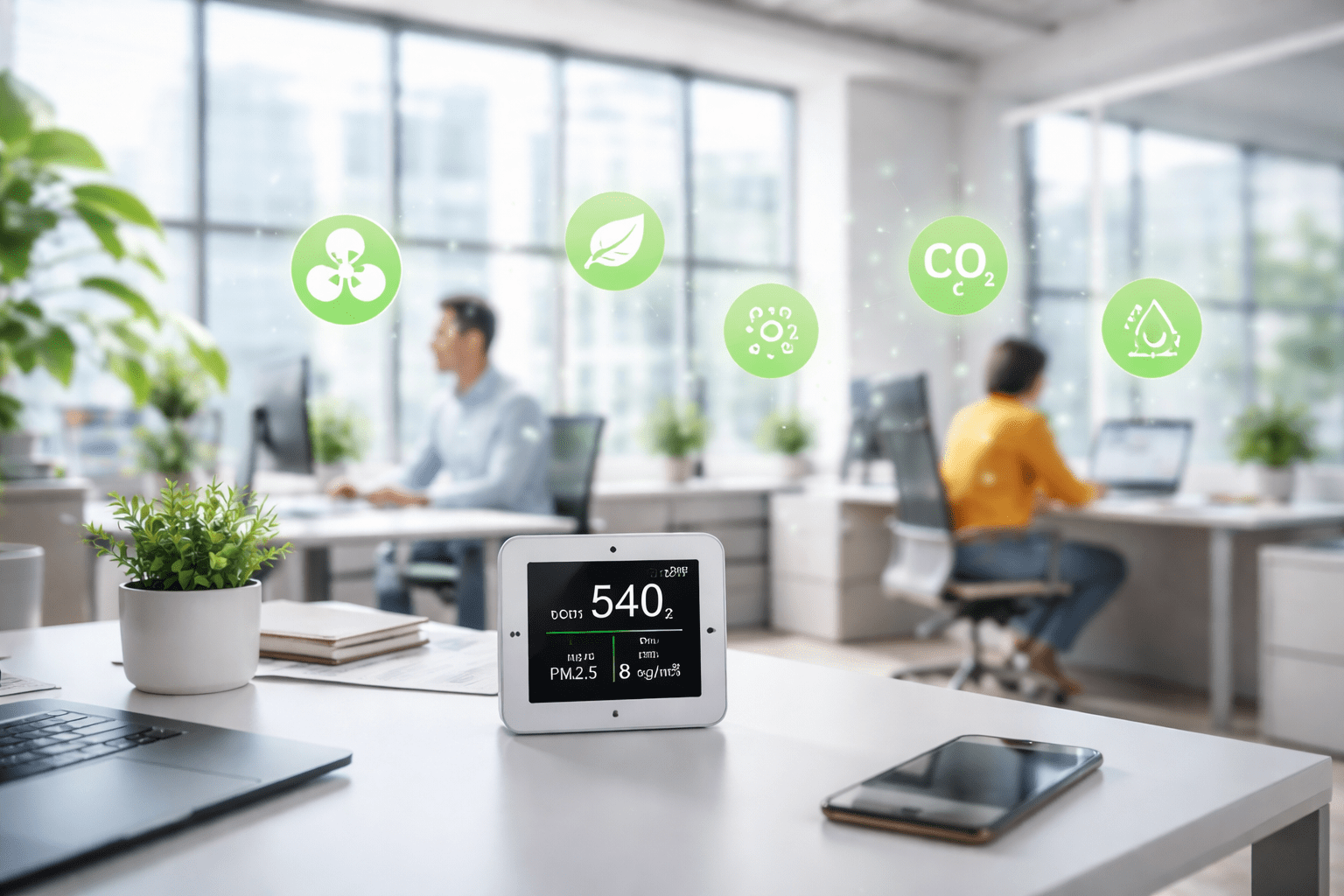
Facility managers are also seeing increased adoption of indoor air quality monitoring technologies. Sensors capable of measuring particulate matter, carbon dioxide, humidity, and other environmental indicators provide valuable real-time insights into building conditions.
Continuous monitoring allows facility teams to quickly identify potential problems, such as ventilation failures or unusual pollutant spikes. Instead of relying solely on scheduled inspections, building managers can respond immediately when conditions change.
For example, elevated carbon dioxide levels may indicate insufficient ventilation in a conference room or office area. Similarly, high humidity readings may signal conditions that could encourage mold growth if not addressed promptly.
The growing availability of indoor air quality data has made this approach more practical and cost-effective for organizations of all sizes. Modern building management systems can integrate IAQ sensors with HVAC controls, allowing buildings to automatically adjust ventilation and filtration based on real-time conditions.
IAQ and Building Performance Are Closely Linked
Finally, modern indoor air quality statistics highlight the strong connection between healthy indoor environments and building performance. Research suggests that improved air quality may contribute to better cognitive function, higher productivity, and reduced absenteeism in workplace settings.
Employees working in well-ventilated environments often report greater comfort and fewer symptoms associated with poor air quality. This can translate into improved focus, higher job satisfaction, and better overall workplace experiences.
For facility managers, this means IAQ improvements can deliver benefits beyond health and safety. Investments in ventilation, filtration, and monitoring may also support broader organizational goals related to employee satisfaction, talent retention, and operational efficiency.
Healthy building initiatives are increasingly viewed as part of a comprehensive workplace strategy rather than simply a maintenance concern.
Moving Toward Healthier Buildings
As expectations around building health continue to evolve, facility managers are increasingly responsible for creating indoor environments that support occupant wellbeing. Organizations are paying closer attention to how building conditions influence productivity, comfort, and long-term health outcomes.
The good news is that today’s indoor air quality statistics provide clearer guidance than ever before. With better data, improved technologies, and growing industry awareness, organizations have more tools to create healthier buildings.
By focusing on ventilation, filtration, pollutant control, and monitoring, facility professionals can ensure that indoor spaces remain safe, comfortable, and productive for the people who rely on them every day. As building standards continue to evolve, indoor air quality will remain a critical component of responsible and forward-thinking facility management.







Show Comments