


There is a pattern that plays out in public life with painful regularity. A celebrity checks into a well-known treatment facility, photographers gather outside the entrance, and the story becomes part of the news cycle before the person has even unpacked their bags.
Within days, the details of their stay are circulating online. The pressure of being watched does not pause just because someone is trying to heal.
This is why a growing number of public figures are quietly stepping away from high-profile treatment centers and seeking care in places that offer something the famous facilities simply cannot: genuine privacy and the kind of stillness that makes deep recovery possible.
Why Public Treatment Settings Can Work Against Recovery
Addiction recovery, especially from alcohol, requires a particular kind of psychological safety. People need to feel free to be honest, vulnerable, and even messy without fear of judgment or exposure. For most people, a residential treatment center provides exactly that environment. For celebrities, the calculation is more complicated.
The Surveillance Problem in High-Profile Rehabs
When a public person enters a treatment facility near a major city or in a recognizable location, their presence rarely stays secret for long. Staff, other patients, and people in surrounding communities may recognize them. Social media accelerates everything. Even well-intentioned people can inadvertently compromise someone’s privacy.
The consequences go beyond embarrassment. Research consistently shows that stress is one of the most powerful triggers for relapse. When a person in treatment is managing anxiety about being recognized or worrying about what might be reported, they are dividing their attention at the exact moment recovery demands their full focus.
What Seclusion Actually Provides in Treatment
Choosing a secluded retreat setting is not about luxury or hiding from accountability. It is about removing unnecessary obstacles from the recovery process. For people treating alcohol use disorder specifically, the clinical environment matters enormously.
The Role of Nature and Physical Space in Healing
There is substantial evidence supporting the therapeutic value of natural environments in addiction recovery. Time spent in green space has been linked to reduced cortisol levels, improved sleep quality, and lower rates of anxiety and depression, all of which are significant factors in early sobriety.
For someone detoxing from alcohol and working through the psychological roots of their dependence, access to open land and quiet surroundings can support the body and mind simultaneously.
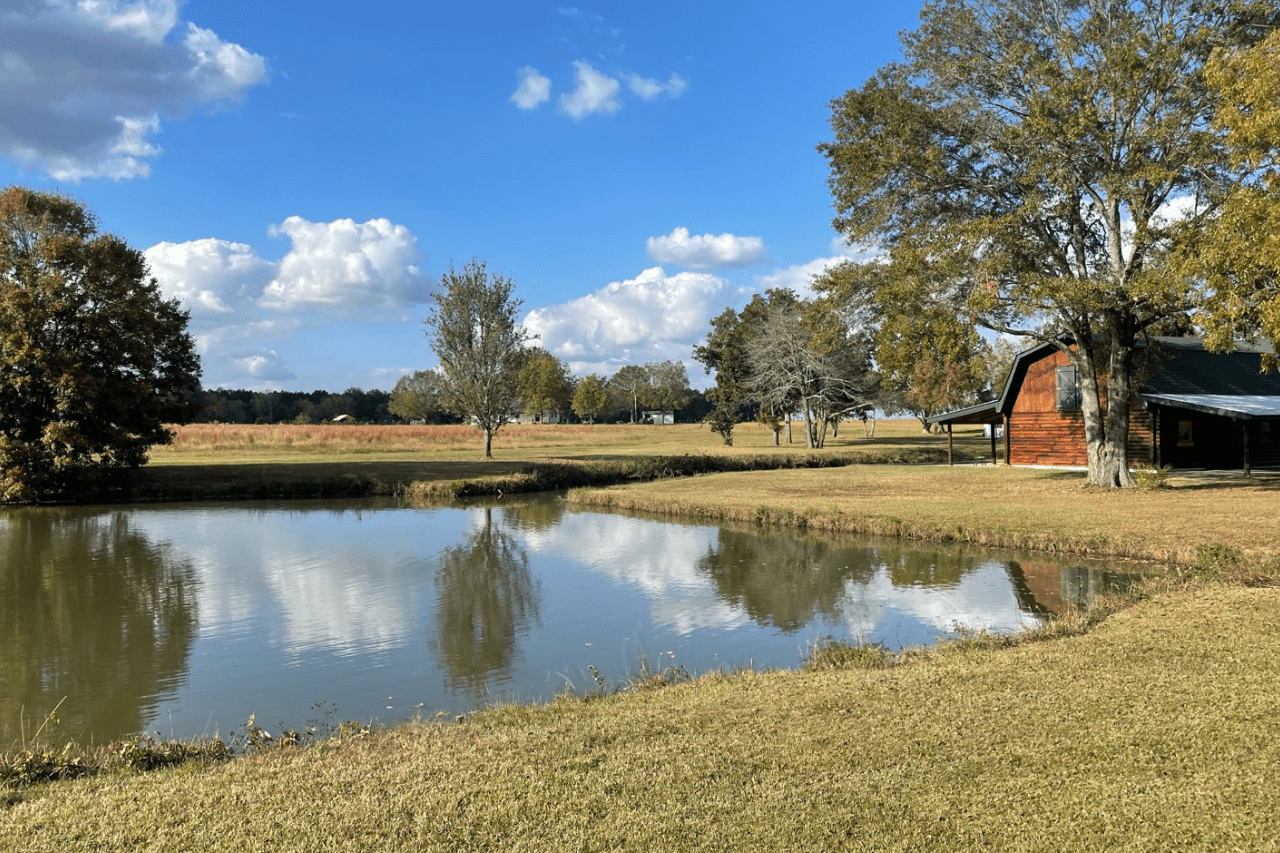
This is part of what draws people toward a holistic treatment center in rural Georgia. The physical distance from urban environments removes the constant sensory stimulation that many people in early recovery find overwhelming, and it creates a natural container for the therapeutic work.
Alcohol Addiction Is Different From What People Assume
One thing that often surprises people is how medically serious alcohol use disorder actually is. Unlike many other substances, alcohol withdrawal can be genuinely dangerous and, in some cases, life-threatening. Seizures, severe dehydration, and a condition called delirium tremens can occur in the days following cessation, particularly in people who have been drinking heavily for extended periods.
Why Medical Supervision Matters From Day One
This is why the priority in any reputable residential program is a medically supervised detoxification process. Even in remote or nature-based settings, clinical staff and 24-hour monitoring during the withdrawal phase are non-negotiable. Seclusion should never mean isolation from proper medical care.
Once the physical stabilization is complete, the longer work begins. Effective treatment for alcohol use disorder addresses not just the physical dependence but the underlying patterns that drove the drinking in the first place. This typically includes individual therapy, group support, family systems work, and evidence-based approaches such as cognitive behavioral therapy and motivational interviewing.
What Makes Secluded Rehabs Different From Standard Programs
The core clinical components of a strong alcohol treatment program remain consistent regardless of location. What changes in a secluded setting is the overall ecology of the experience.
Individualized Attention and Lower Census Sizes
Facilities in rural areas often serve fewer patients at one time. This means clinical staff can provide more individualized care, treatment plans can be adjusted more responsively, and the community within the program stays smaller and more cohesive. For someone accustomed to being surrounded by people whose motives they have to assess constantly, a smaller environment often feels safer.
There is also something to be said for the absence of distraction. When you are not connected to the professional demands, social media accounts, and public-facing identity that define a celebrity’s daily life, it becomes easier to examine what that life has actually looked like and what needs to change within it.
Finding the Right Fit for Long-Term Recovery
Recovery from alcohol use disorder is not accomplished in 30 days. The residential phase of treatment is the beginning of a much longer process that includes outpatient support, community connection, and the ongoing practice of the skills developed in treatment. Choosing the right initial setting matters because it shapes the foundation on which everything else is built.
What to Look for Beyond the Location
Whether someone is a public figure or a private individual seeking care, the qualities that define effective treatment are the same. Accreditation from a recognized body, licensed clinical staff, individualized treatment planning, and a clear continuum of care following discharge should all be present regardless of where the facility is located.
For those specifically drawn to nature-immersive and holistic approaches, Ingrained Recovery offers over 20 acres of secluded nature at its rural Eastman, Georgia location, providing an environment that integrates clinical care with the restorative qualities of natural surroundings.
Recovery Belongs to The Person And Not The Narrative
One of the more damaging cultural myths around celebrity addiction is that public accountability is a necessary ingredient in recovery. The logic goes that if someone is watched closely enough, they will be motivated to stay sober. This misunderstands the nature of recovery entirely.
Lasting sobriety is not built on external pressure. It is built on internal transformation, supported by skilled clinicians, a genuine community, and an environment that allows a person to do the hardest kind of honest work without performance anxiety layered on top.
For public figures willing to step fully out of the spotlight, even temporarily, secluded treatment settings offer something genuinely rare: the chance to be simply a person working toward health, without an audience.





Show Comments